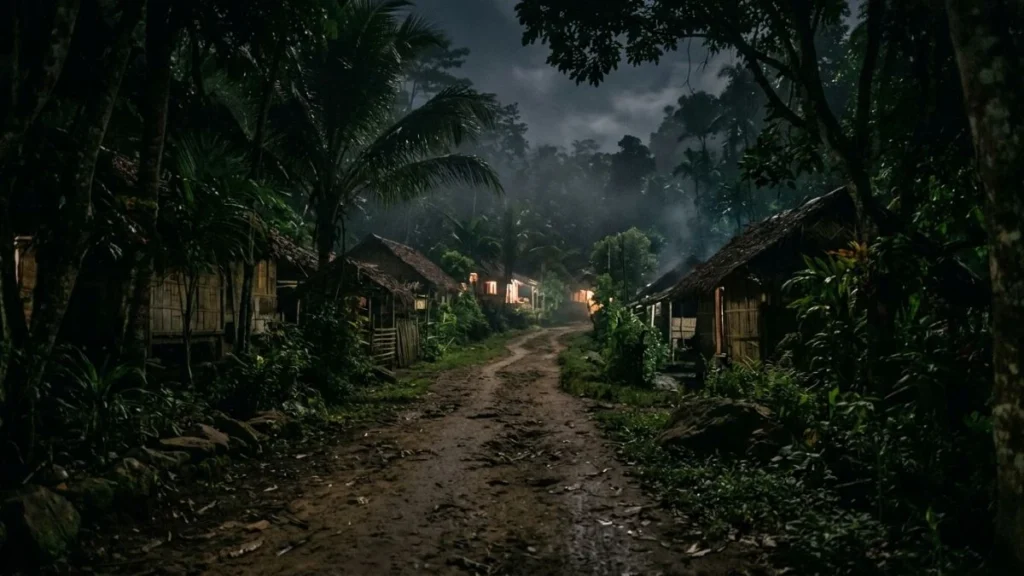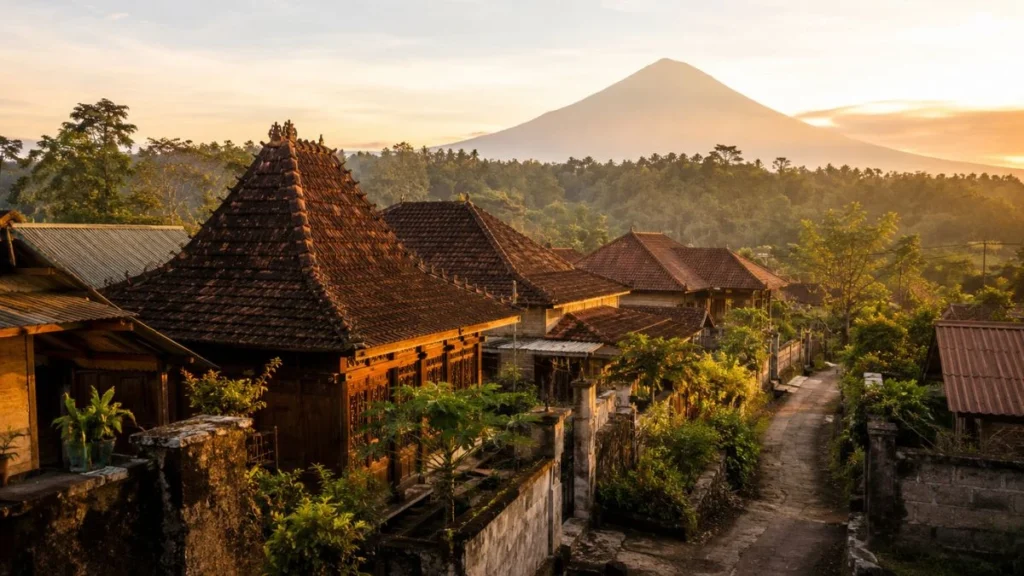
Indonesia is home to over 700 living languages, a population exceeding 270 million people, and a cultural landscape shaped by Islamic, Hindu-Buddhist, animist, and colonial influences layered across thousands of islands. Indonesian culture and language resist easy summary — what follows isn’t a complete guide, but a starting map: a curated path through the words, traditions, and everyday customs that reveal how Indonesians actually think, feel, and relate to one another, explored in depth elsewhere on this site.
Words That Don’t Translate
Some of the most revealing windows into Indonesian culture are the words that resist clean English translation — feelings and social states so specific to Indonesian life that no single English word captures them.
- The Philosophy of Jayus — a joke so badly told it becomes funny anyway
- Sungkan vs Shy vs Awkward — the reluctance to impose on someone else’s comfort
- Mager, Baper, Kepo — modern Indonesian internet slang for laziness, overreaction, and nosiness
- The Real Meaning of Nongkrong — unstructured, unhurried communal hanging out
- Why Gotong Royong Isn’t Always Voluntary — communal mutual aid, and its quieter social obligations
- Jam Karet: The Generational Divide — Indonesia’s elastic relationship with time, shifting across generations
Everyday Etiquette Few Outsiders Are Told Directly
Indonesian social conduct runs on a set of unwritten rules, absorbed through observation rather than explanation. These pieces unpack the etiquette visitors and even many locals rarely see spelled out.
- Left Hand Etiquette in Indonesia
- Pointing Etiquette in Indonesia
- Refusing Food Etiquette in Indonesia
Rituals, Folklore, and Festivals
From communal meals marking life’s transitions to legends still shaping how people live near the coast, these traditions show how spiritual life in Indonesia — particularly in Java and Bali — blends belief systems rather than replacing one with another.
- Slametan: The Communal Meal Ritual
- Nyepi: The Island That Goes Silent on Purpose
- Angpao: The Etiquette Nobody Explains Out Loud
- Nyi Roro Kidul: The Legend of Java’s Sea Queen
- Sekaten Festival: Java’s Fading Royal Tradition
- Kasada Festival: Offerings Into an Active Volcano
- Ondel-Ondel: Jakarta’s Giant Guardian Puppets
Regional and Comparative Perspectives
Indonesia’s diversity means culture varies enormously by region and ethnic group. These pieces zoom out to compare Indonesian traditions against neighboring Southeast Asian cultures, or zoom in on specific regional identities within Indonesia itself.
- Siri’: The Bugis Concept of Honor
- Songkran vs Nyepi vs Thaipusam Compared
- Whistling at Night Superstition Across Southeast Asia
Why This Matters
Much of what gets published about Indonesian culture online falls into one of two traps: either it’s a thin, recycled list of “interesting facts” copied from source to source, or it’s written entirely from an outsider’s perspective, missing the lived nuance a local voice can offer. This collection tries to do neither — pairing genuine insider perspective on Javanese and Indonesian life with careful research on traditions from across the archipelago and the wider region, treating each word and custom as worth understanding on its own terms rather than flattening it into a quick, exotic factoid.
New pieces are added regularly as this collection continues to grow. If there’s a specific Indonesian word, tradition, or region you’d like to see covered, explore the categories above or check back for new additions.