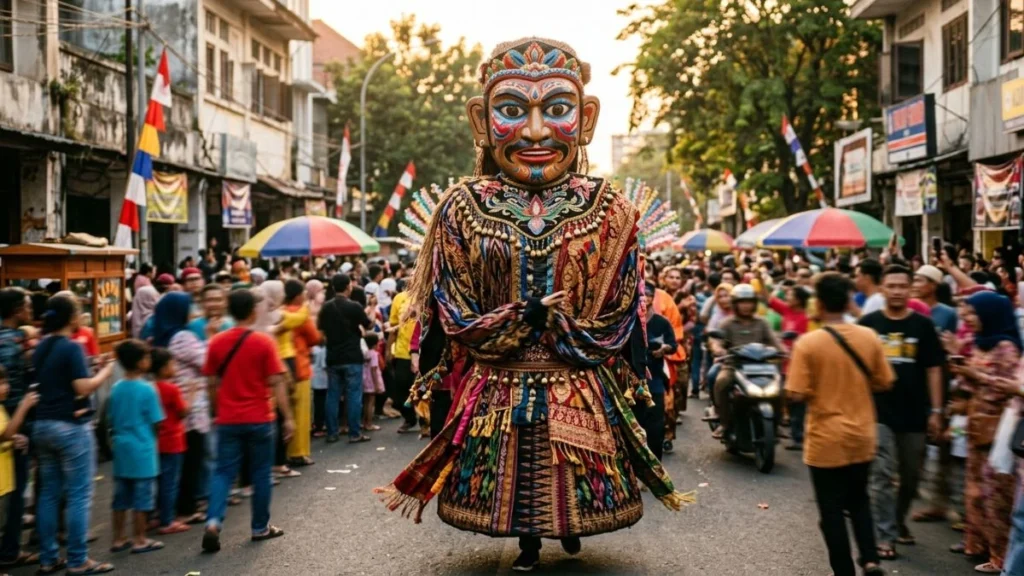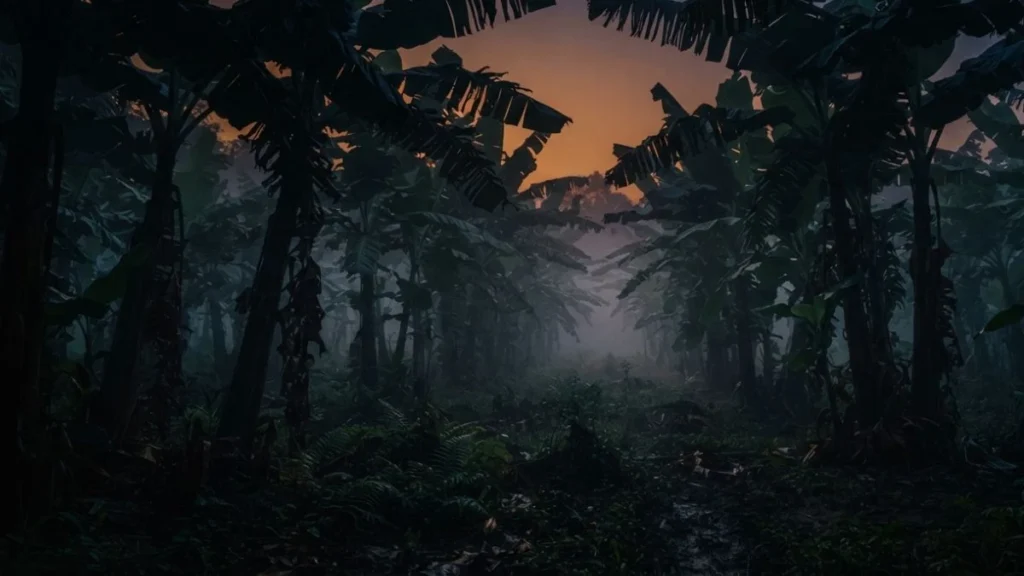
A woman in white stands at the edge of a banana grove at dusk, her long black hair covering her face, and a scent of frangipani flowers drifts through the air just before something goes terribly wrong. Across Malaysia, Indonesia, Singapore, and Brunei, this image needs no further explanation. The pontianak ghost is arguably Southeast Asia’s most consistently feared and widely recognized supernatural figure, appearing in folklore, film, and everyday cautionary conversation across the entire Malay-speaking world.
The Legend Itself
The pontianak (also called kuntilanak in Indonesia) is traditionally described as the vengeful spirit of a woman who died during childbirth or pregnancy, returning as a malevolent, often beautiful-appearing entity that preys primarily on men, sometimes specifically pregnant women, and occasionally young children. Her most consistent identifying features across regional variations include long black hair, a white or pale flowing garment, unnervingly long fingernails, and a signature scent — the sweet fragrance of frangipani (plumeria) flowers, said to intensify just before she attacks, followed by a foul odor as her true monstrous nature is revealed.
A particularly distinctive detail across many versions of the legend involves her back: some tellings describe a gaping hole or wound in her back, connected to her death, concealed beneath her hair and clothing until the moment she’s fully revealed to her victim. Her cry — often described as starting soft and distant, growing louder as she draws closer, then falling ominously silent right before she attacks — is a specific, well-known warning sign within the folklore.
Where It Comes From
The pontianak legend draws on pre-Islamic animist beliefs across the Malay Archipelago concerning spirits connected to death during childbirth, a historically significant danger across the region that gave rise to considerable folklore addressing maternal death and its supernatural aftermath. The legend likely absorbed and blended elements from multiple regional spiritual traditions over centuries, consistent with the broader pattern of layered animist, Hindu-Buddhist, and later Islamic influence shaping much of Southeast Asian folklore, similar to the syncretic layering discussed in relation to slametan and Nyi Roro Kidul elsewhere on this site.
The city of Pontianak in West Kalimantan, Indonesia, is popularly said to derive its name directly from the legend, with local tradition holding that the city’s founder encountered or drove away pontianak spirits during the settlement’s establishment — though the precise historical relationship between the city’s name and the folklore figure remains debated among scholars.
How It’s Discussed Today
The pontianak remains one of the most consistently referenced figures in Malay, Indonesian, and Singaporean horror storytelling, folklore, and popular culture, with countless film and television adaptations across the region treating her as a kind of regional equivalent to how other cultures might treat a nationally iconic horror figure — instantly recognizable, requiring no introduction, and continuously reinterpreted across generations of media.
Beyond entertainment, the legend persists in everyday cautionary folklore, particularly cultural warnings connecting pontianak sightings to banana trees (traditionally believed to be a favored resting place for the spirit) and specific times of day, especially dusk, reinforcing broader regional caution around vulnerable transitional times — a folklore pattern with some resemblance to the whistling-at-night superstition explored elsewhere on this site, where nighttime and transitional hours carry heightened spiritual caution across multiple Southeast Asian traditions.
Rural and older communities in parts of the region continue to observe specific customs believed to ward off or avoid attracting pontianak attention, though urban, younger populations increasingly engage with the legend primarily through film and popular culture rather than active daily folk belief.
What Outsiders Often Get Wrong
International horror media coverage sometimes treats the pontianak as simply a generic “Asian ghost” archetype, missing her specific, well-defined identifying details and distinct cultural and historical roots connected to childbirth mortality, treating a genuinely specific regional legend as interchangeable with other, unrelated Asian ghost folklore traditions.
There’s also a tendency to underestimate how seriously and consistently the legend functions as shared cultural reference across an enormous, linguistically diverse region — the pontianak isn’t a localized village legend known only in one small area, but a genuinely pan-regional figure recognized with remarkable consistency across Malaysia, Indonesia, Singapore, and Brunei, despite the considerable cultural and linguistic diversity within that broader region.
FAQ
What’s the difference between pontianak and kuntilanak?
They refer to the same core legend and figure, with “pontianak” more commonly used in Malaysia and Singapore, and “kuntilanak” more commonly used in Indonesia, reflecting regional linguistic variation rather than a fundamentally different folklore tradition.
Why is the frangipani scent significant in the legend?
The flower’s sweet fragrance is traditionally described as intensifying just before a pontianak attacks, functioning as a well-known warning sign within the folklore, often followed by an unpleasant odor revealing her true nature.
Are banana trees really connected to the legend?
Yes, traditional folklore commonly associates banana trees as a favored resting or dwelling place for the pontianak spirit, a detail that persists in cautionary storytelling across the region.
Is the pontianak legend still widely believed today?
Belief varies considerably by generation and location — older and rural communities may hold more active folk belief, while younger, urban populations often engage with the legend primarily through film, television, and popular culture.
Is Pontianak city in Indonesia actually named after the ghost?
Local tradition connects the city’s name to the legend, though the precise historical relationship remains debated among scholars rather than definitively confirmed.