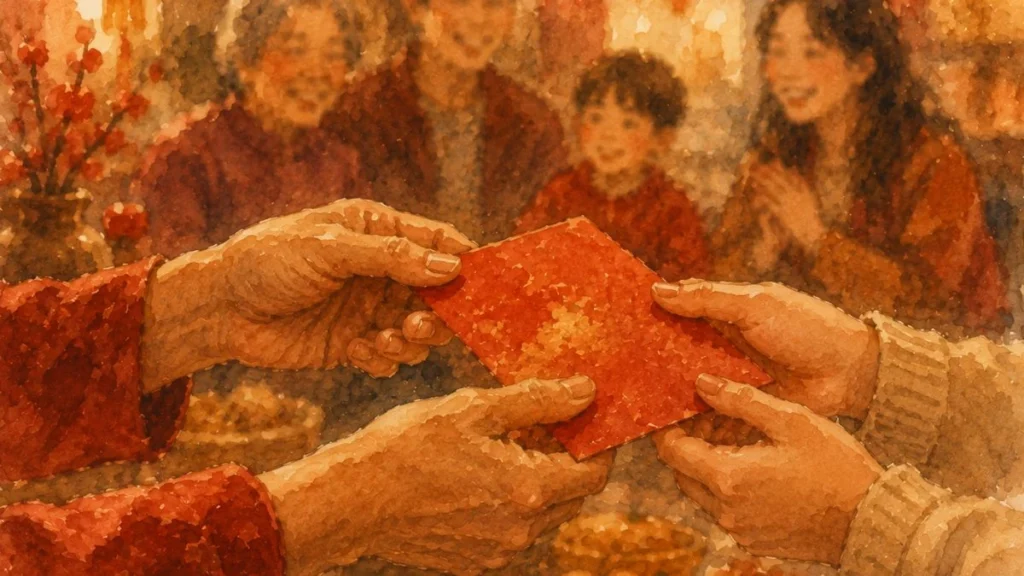
You’ve just finished a full plate at someone’s home, comfortably satisfied, when the host offers a second helping — and a third shortly after that. Refusing food etiquette in Indonesia is one of those situations where the technically correct answer and the socially comfortable one don’t always line up, and visitors often end up either overeating out of politeness or unintentionally causing quiet offense by declining too bluntly.
The Short Answer
Yes, refusing food can come across as impolite in many Indonesian social settings, particularly in someone’s home, though the discomfort has more to do with how you decline than whether you decline at all. A flat, immediate “no thank you” tends to land differently than a warmer, more socially cushioned refusal — Indonesian hospitality culture places real weight on the offering and accepting ritual itself, not just the food.
Where the Custom Comes From
Much of this etiquette traces back to deeply held ideas around hospitality as a marker of respect and generosity, closely connected to the same underlying value of consideration for others discussed in relation to sungkan — the reluctance to act in ways that might inconvenience or embarrass someone else. A host offering food is, in a real sense, offering care and respect; an abrupt refusal can unintentionally read as a rejection of that gesture rather than simply a full stomach.
This dynamic is reinforced by broader communal traditions like the slametan meal ritual, where shared food functions as much as a social and spiritual bonding mechanism as sustenance itself — eating together, and eating what’s offered, carries weight beyond the literal act of consuming a meal.
How It Actually Plays Out Day to Day
In practice, most Indonesians navigate this through a socially understood middle path rather than either fully accepting everything offered or bluntly declining. A polite refusal typically involves a warmer verbal cushion — expressing thanks first, offering a light reason (“I’m quite full already, thank you so much”), sometimes paired with a gentle hand gesture over the plate or cup, rather than a flat, immediate “no.”
First-time refusals are also often met with a second offer as a matter of social ritual — hosts frequently ask again once or twice, not necessarily expecting a different answer, but as part of an expected back-and-forth that signals genuine hospitality rather than a perfunctory single offer. A guest declining on the very first ask, without any warmth or reasoning, can occasionally read as unusually curt, even if no real offense is intended.
Certain contexts raise the stakes further. Refusing food from an elder, a host during a significant occasion, or in a small, intimate gathering carries more social weight than declining a snack offered casually among peers or in a large, informal setting, where the etiquette relaxes considerably.
What Outsiders Often Get Wrong
Visitors sometimes overcorrect by force-feeding themselves well past comfort out of fear of causing offense, when a warm, appreciative refusal is almost always perfectly acceptable — the etiquette concern is about tone and warmth, not about obligatory consumption. A gracious “thank you so much, I’m completely full” said with genuine appreciation is rarely received poorly.
Another common misconception is assuming this custom applies uniformly regardless of setting. Casual, everyday situations — a coworker offering a snack, a friend offering leftover food — carry far less weight than formal home visits or significant family occasions, where the hospitality ritual is more consciously observed and appreciated.
Reader FAQ
Is it acceptable to say no the first time food is offered?
It’s generally better to accept at least a small amount if reasonably possible, or decline warmly with appreciation, since a flat first-refusal without warmth can occasionally seem abrupt, particularly in more formal or intimate home settings.
What’s the most polite way to decline more food?
Expressing genuine thanks, offering a brief, friendly reason for declining, and doing so with warmth rather than bluntness is generally well received and rarely causes real offense.
Does this etiquette apply to strangers or only close relationships?
It applies most strongly in home settings and with hosts specifically, particularly elders or during significant occasions, while casual situations among peers or acquaintances carry considerably less weight.
Is it okay to explain dietary restrictions when declining food?
Yes, clearly and kindly explaining a dietary restriction, allergy, or genuine reason for declining is generally understood and accepted without offense.
Will I really offend someone by not finishing everything offered?
Not finishing food, or ultimately declining a second or third offering, is unlikely to cause lasting offense as long as the initial engagement with the offer feels warm and appreciative rather than dismissive.