You reach out to hand someone your business card, or accept a plate of food, without thinking twice about which hand you use. In much of Indonesia, that small, automatic gesture carries more social weight than most visitors realize. Left hand etiquette in Indonesia is one of those unwritten rules that locals absorb early and rarely explain out loud — until a well-meaning traveler accidentally breaks it and can’t quite figure out why the room’s energy just shifted.
The Short Answer
Yes, using your left hand for certain actions — particularly eating, giving or receiving objects, and touching someone’s head — is generally considered impolite in Indonesia, especially among Muslim-majority communities where the custom is most strongly observed. It’s not a hard rule enforced with visible anger, and most Indonesians will quietly forgive an obvious foreigner. But the discomfort it causes is real, even when nobody says anything about it directly.
Where the Custom Comes From
The taboo traces back to a practical and religious origin shared across much of the Muslim world, not unique to Indonesia. Traditionally, the left hand was designated for personal hygiene tasks, while the right hand was reserved for eating, greeting, and handling shared objects — a hygiene-based division of labor that predates modern plumbing and hand sanitizer by a long stretch. Islamic teaching reinforced and formalized this split further, associating the right hand with cleanliness, respect, and blessing.
Because Indonesia is home to the world’s largest Muslim population, this custom became deeply embedded in broader Indonesian etiquette over centuries, extending in practice even into interactions among Indonesians of other faiths, simply because it became the social default across so much of daily life.
How It Actually Plays Out Day to Day
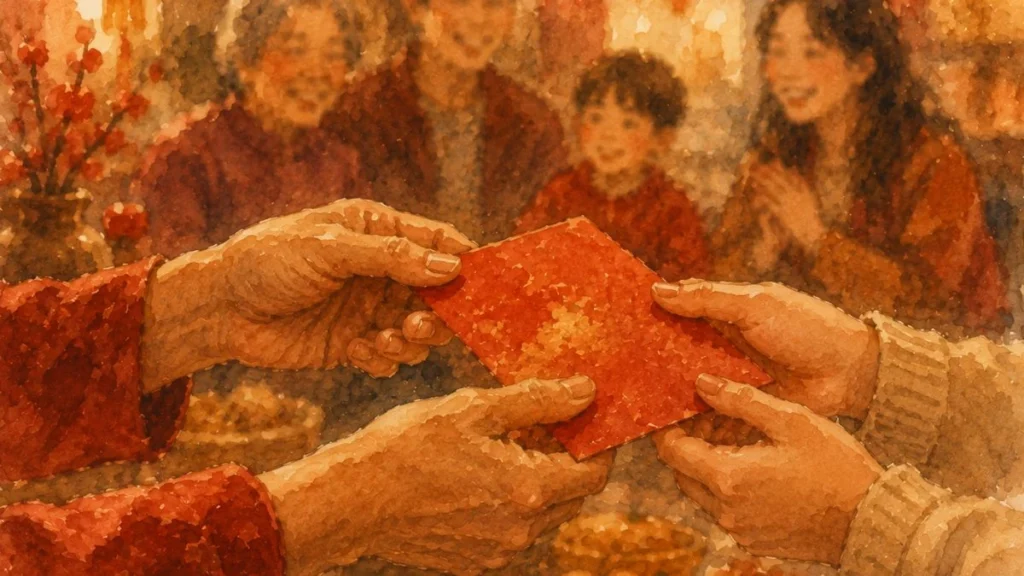
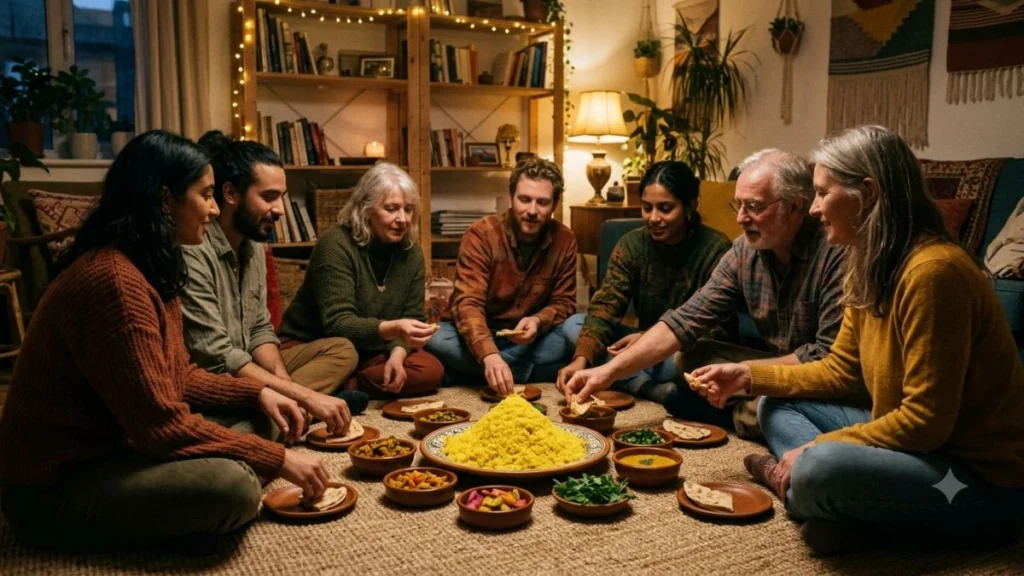
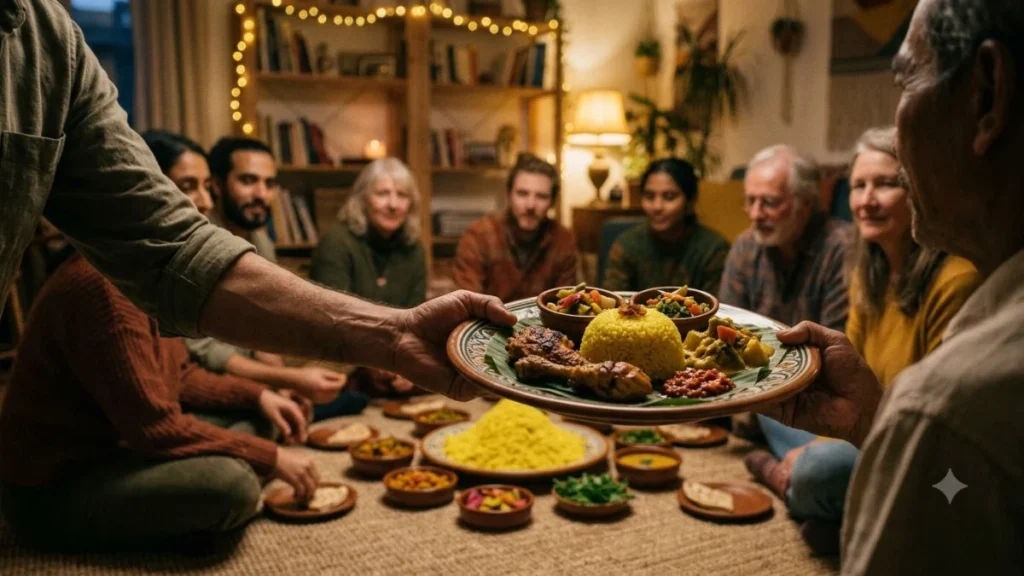
In practice, the rule shows up most consistently around three situations. First, eating: in settings where food is eaten by hand rather than utensils, using the right hand is expected, and eating with the left is noticeably conspicuous. Second, giving or receiving: handing someone money, a gift, a business card, or really anything at all is customarily done with the right hand, or with both hands together for something formal or respectful — using only the left hand can register as careless or even mildly disrespectful, depending on context. Third, touching: patting or touching someone’s head, which carries its own separate cultural sensitivity in Indonesia, is something to avoid altogether regardless of which hand is used, but doing so with the left hand compounds the discomfort.
Left-handed Indonesians grow up navigating this constantly, and most develop lifelong habits of consciously switching to their right hand for exactly these situations, even if it never becomes fully natural. It’s common to see a naturally left-handed person eat, greet, or exchange objects right-handed out of ingrained social habit, while writing or doing other private tasks left-handed without a second thought.
What Outsiders Often Get Wrong
Visitors sometimes overcorrect once they learn about this custom, becoming visibly anxious about every single hand movement, which usually isn’t necessary. Indonesians are generally understanding toward foreigners who aren’t fully familiar with the etiquette, and a left-handed slip during a casual interaction rarely causes lasting offense. The custom matters more in formal, respectful, or religious contexts — greeting an elder, handling food at a traditional meal, or interacting in a more conservative setting — than in casual daily errands.
Another common misconception is that this rule is exclusively religious. While Islamic teaching reinforced and helped standardize the custom, similar right-hand preferences for eating and object exchange exist in several other cultures across South and Southeast Asia for overlapping hygiene-based historical reasons, meaning the etiquette isn’t strictly tied to religious observance alone, even in Indonesia’s more religiously diverse regions.
Reader FAQ
Is it rude to shake hands with your left hand in Indonesia?
It’s generally considered less polite, though handshakes tend to be more forgiving than eating or object exchange. If your right hand is genuinely occupied or injured, briefly explaining or gesturing why is usually enough to avoid any awkwardness.
Do I need to worry about this if I’m using utensils?
Less so. The custom is most relevant when eating by hand, which is common with certain traditional dishes, or when directly exchanging objects. Using utensils reduces how often the issue comes up at all.
What if I’m naturally left-handed?
Most Indonesians are aware that some people are naturally left-handed and will generally be understanding, especially with visitors. That said, making a visible effort to use your right hand for giving, receiving, and eating is still appreciated where practical.
Is this custom followed by all Indonesians, regardless of religion?
It’s most strongly observed in Muslim-majority communities, but the etiquette has become broadly normalized across much of Indonesian society due to its long-standing presence in everyday social conduct.
What’s the safest habit to adopt as a visitor?
Default to your right hand, or both hands together, when eating by hand, giving or receiving anything, or greeting someone formally. It’s a small habit that goes a long way toward showing cultural awareness without requiring you to memorize a long list of rules.